
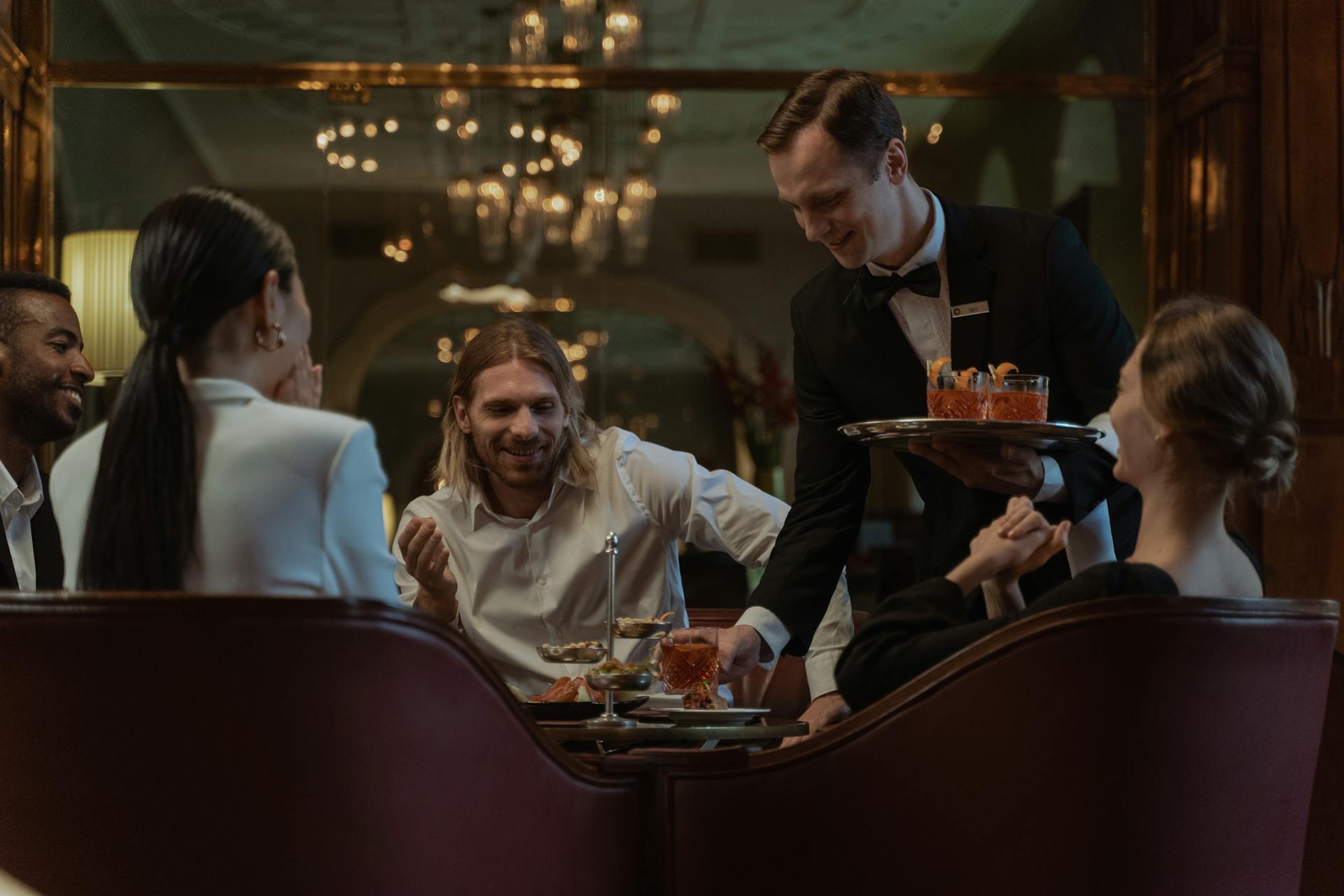
Luxury Dining as an Asset Class: What Investors Can Learn from Sketch London
For years, luxury restaurants were seen as passion projects—beautiful, buzzy, and financially fragile. Investors tended to admire them from afar, assuming slim margins and high risk made them poor long-term bets. But a shift is underway. The world’s most ambitious dining destinations are starting to behave less like restaurants and more like durable assets. Few examples illustrate this better than Sketch London, a place that blends hospitality, art, and brand-building into something far more resilient than a typical eatery. Looking closely at how it operates offers investors valuable lessons about how experience-led businesses can generate real, lasting value.
From Restaurants to Real Assets
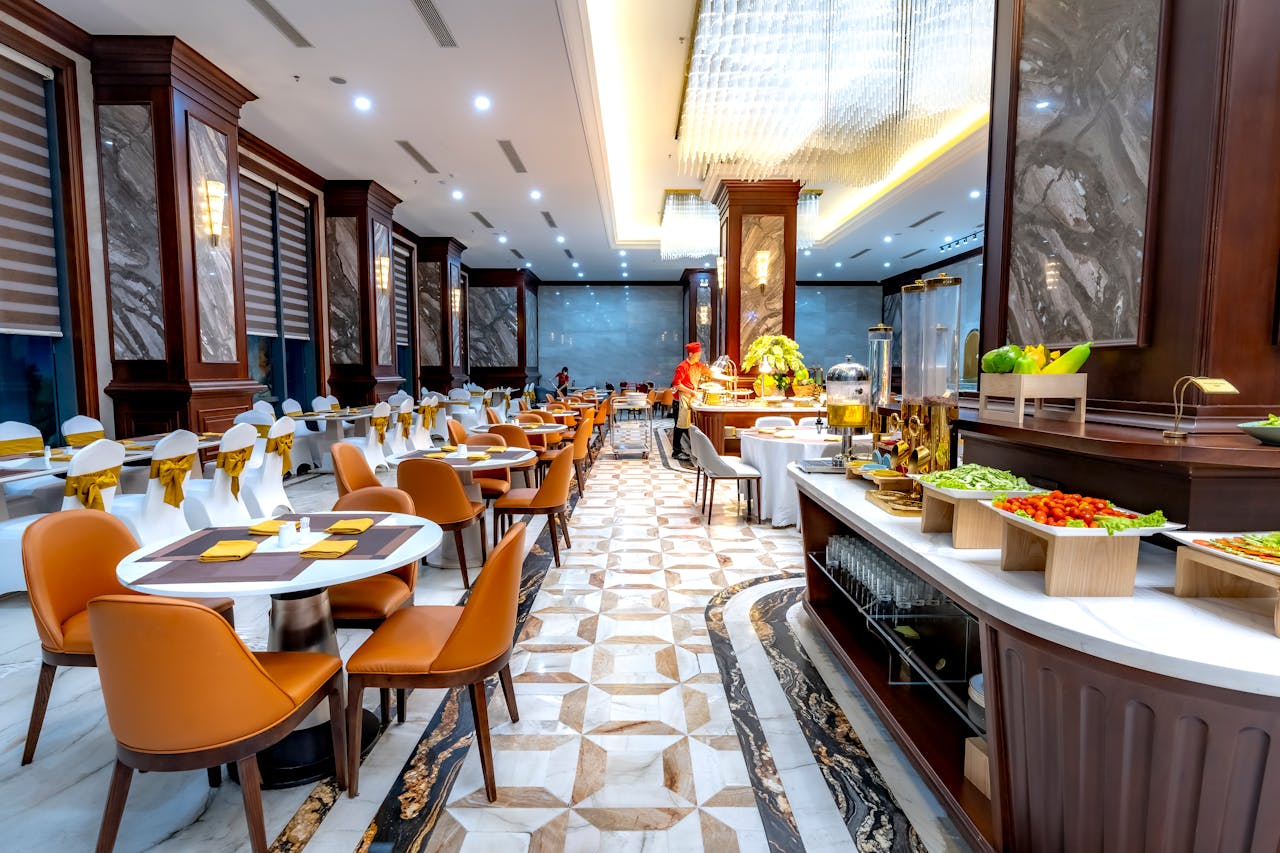 What makes Sketch London so compelling from an investment perspective is how deliberately it positions itself beyond food alone. The space functions as a cultural destination, with multiple rooms that each feel like standalone experiences. Within that ecosystem, the lecture room and library at sketch quietly demonstrate how a dining space can double as a brand anchor, attracting repeat visits and high-value customers without relying on constant reinvention. Instead of chasing trends, Sketch invests in permanence, treating its physical environment as infrastructure rather than decoration. For investors, this mindset mirrors how premium real estate or flagship retail locations are managed.
Experience as a Form of Scarcity
Luxury dining thrives on controlled scarcity. You can’t replicate the feeling of being in a space that has been carefully curated over the years, filled with art, design, and social cachet. Sketch limits capacity by design, which keeps demand high and …