
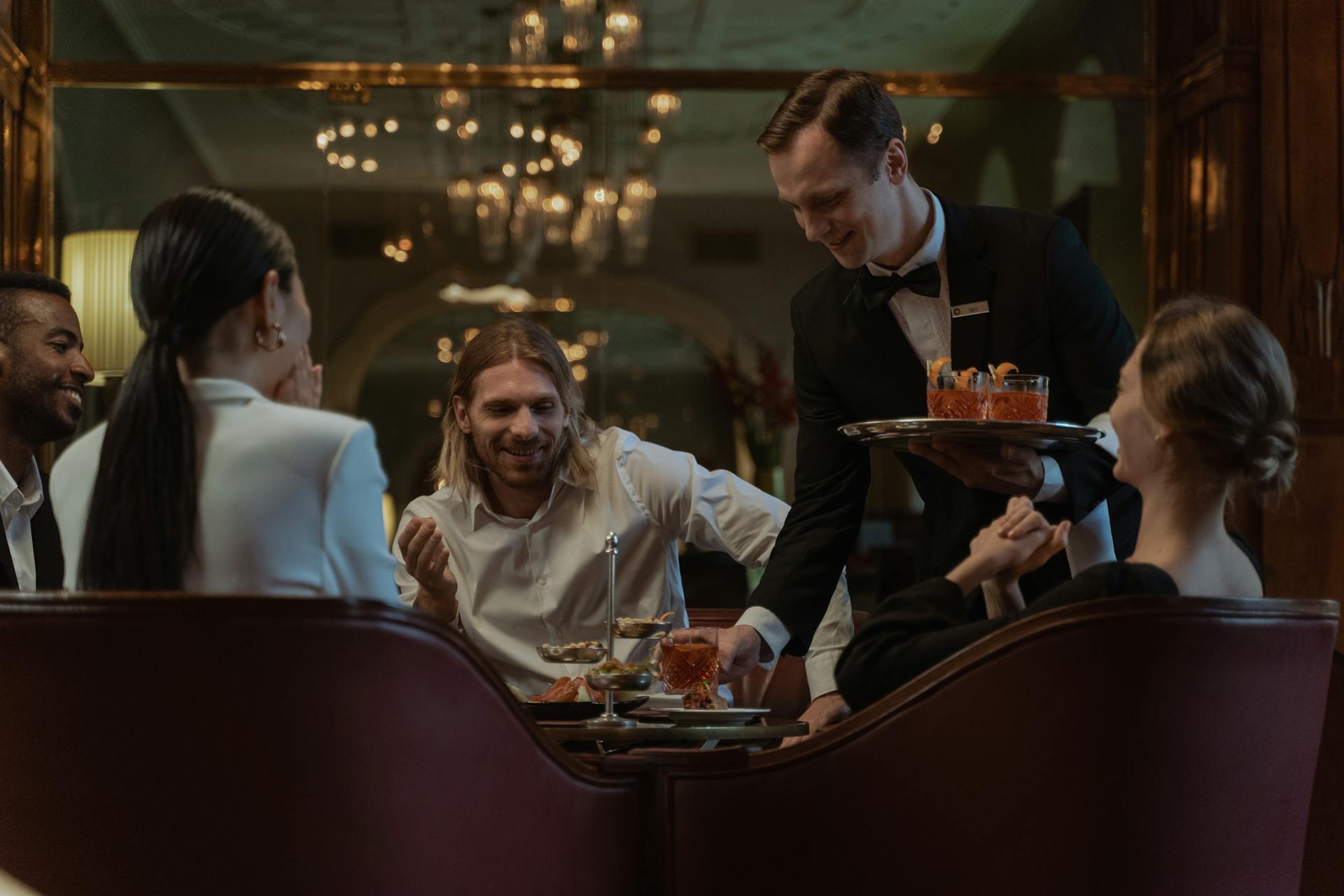
For years, luxury restaurants were seen as passion projects—beautiful, buzzy, and financially fragile. Investors tended to admire them from afar, assuming slim margins and high risk made them poor long-term bets. But a shift is underway. The world’s most ambitious dining destinations are starting to behave less like restaurants and more like durable assets. Few examples illustrate this better than Sketch London, a place that blends hospitality, art, and brand-building into something far more resilient than a typical eatery. Looking closely at how it operates offers investors valuable lessons about how experience-led businesses can generate real, lasting value.
From Restaurants to Real Assets
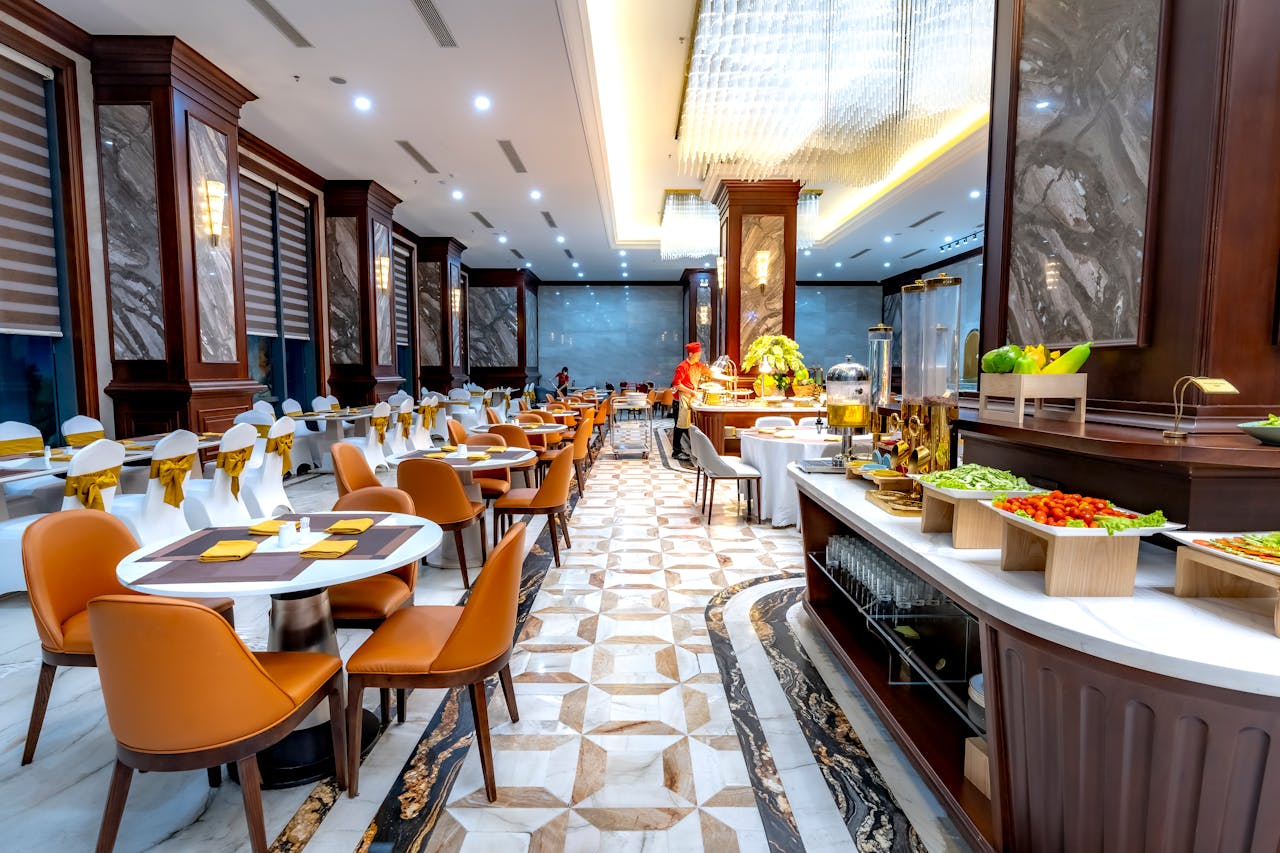 What makes Sketch London so compelling from an investment perspective is how deliberately it positions itself beyond food alone. The space functions as a cultural destination, with multiple rooms that each feel like standalone experiences. Within that ecosystem, the lecture room and library at sketch quietly demonstrate how a dining space can double as a brand anchor, attracting repeat visits and high-value customers without relying on constant reinvention. Instead of chasing trends, Sketch invests in permanence, treating its physical environment as infrastructure rather than decoration. For investors, this mindset mirrors how premium real estate or flagship retail locations are managed.
Experience as a Form of Scarcity
Luxury dining thrives on controlled scarcity. You can’t replicate the feeling of being in a space that has been carefully curated over the years, filled with art, design, and social cachet. Sketch limits capacity by design, which keeps demand high and pricing power intact. This is similar to how luxury brands operate in fashion or watches: exclusivity protects margins. Investors can learn that scarcity doesn’t always come from limited supply alone; it can also come from emotional resonance and reputation, both of which are harder to disrupt.
Brand Moats That Are Hard to Copy
One of the most overlooked strengths of places like Sketch is their brand moat. While menus can be imitated and chefs can move on, the brand itself becomes a defensive barrier. Sketch has embedded itself in global culture through design, social media visibility, and word-of-mouth prestige. This brand equity reduces customer acquisition costs over time and provides resilience during downturns. For investors, this highlights how intangible assets—brand recognition, narrative, and cultural relevance—can be just as valuable as physical ones.
Design CapEx as Long-Term Value
At first glance, spending heavily on design, art, and architecture may look like an indulgence. In reality, it’s closer to capital expenditure with long-term returns. Sketch’s interiors are not refreshed every season; they are meant to age into icons. This reduces the need for frequent overhauls while strengthening brand recognition. Investors can take from this the idea that upfront investment in quality and originality can outperform cheaper, short-term fixes over time.
Revenue Beyond the Plate

Another lesson lies in how revenue is diversified. High-end dining venues increasingly monetize more than meals: private events, collaborations, merchandise, and brand partnerships all contribute to the bottom line. Sketch exemplifies this layered approach, where the restaurant acts as a platform rather than a single revenue stream. This diversification smooths cash flow and reduces reliance on nightly covers. Investors evaluating experiential businesses should look for similar stacking of revenue opportunities that extend the lifetime value of each customer.
Operational Discipline Behind the Glamour
Despite its whimsical exterior, Sketch runs on tight operational control. Staffing, supplier relationships, and service standards are carefully managed to protect consistency. This discipline is what allows creativity to flourish without chaos. For investors, it’s a reminder that even the most artistic ventures need strong operational foundations to scale and endure.
Luxury dining, when executed at the level of Sketch London, challenges outdated assumptions about restaurants as risky, fleeting ventures. Instead, it shows how experience-driven businesses can function like alternative assets, combining brand equity, physical space, and diversified revenue into something durable. For investors willing to look beyond traditional categories, luxury dining offers a compelling case study in how culture, design, and disciplined operations can create value that lasts well beyond the final course.