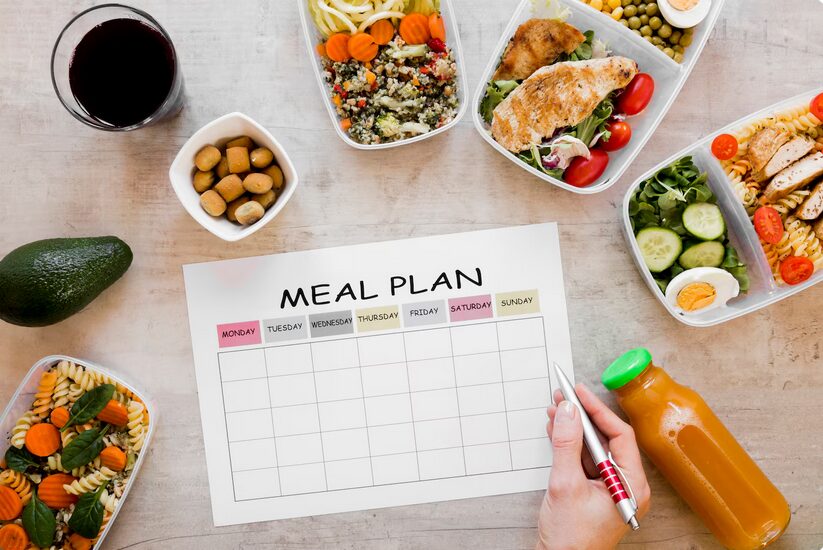
Meal planning is more than a strategy for eating healthier. It is a practical tool that directly impacts your finances. Many households overspend on groceries or takeout simply because they lack a plan. By organizing meals ahead of time, shoppers can control costs, reduce waste, and make smarter choices at the store. Even recipes like fried chicken wings buttermilk can be planned in advance to save money compared to buying ready-made versions. The financial benefits of cooking at home go beyond individual meals. They extend to monthly budgets, long-term savings, and even overall lifestyle management. This article explores how meal planning can save money, providing clear steps and insights to make your kitchen both efficient and economical.
Creating a Budget-Friendly Shopping List
 A meal plan starts with a shopping list. Planning meals allows you to know exactly what ingredients are needed. This reduces impulse purchases and prevents duplicate items. By purchasing only what is necessary, households can cut grocery spending significantly. Real savings come from discipline in sticking to the list. Shopping without a plan often leads to overspending on convenience items or unnecessary extras. A carefully structured list ensures that each purchase has purpose and contributes directly to meals prepared at home.
Reducing Food Waste
One of the most overlooked financial benefits of meal planning is reducing waste. Leftover ingredients, spoiled produce, and unused pantry items are costly. Planning meals for the week allows households to use ingredients efficiently. Portions can be measured more accurately, and leftovers can be repurposed creatively. Avoiding food waste prevents throwing money away. It also teaches mindfulness about consumption. Even small reductions in waste accumulate over time, making a noticeable difference in monthly expenses.
Minimizing Takeout and Dining Out
Restaurants and fast food are convenient but expensive. Meal planning makes home-cooked meals the default choice. By knowing what is on the menu each day, individuals are less tempted to order takeout. Over a month, the savings can be substantial. Home cooking also allows for larger portion sizes at a lower cost. In addition, preparing food at home ensures better control over ingredients, reducing unnecessary spending on pre-packaged or specialty items that restaurants often include.
Maximizing Bulk Purchases
Meal planning encourages buying in bulk for frequently used items. Pantry staples such as rice, pasta, canned goods, and spices can be purchased in larger quantities at lower unit costs. Planning meals in advance helps households know which items they will use and when. This prevents buying in bulk without purpose, which can lead to spoilage. Smart bulk buying is a key financial advantage. It reduces shopping frequency, decreases per-meal cost, and ensures that essential ingredients are always available.
Optimizing Seasonal and Local Ingredients

Another financial benefit of meal planning is the ability to use seasonal and local produce. Planning ahead allows shoppers to take advantage of sales, farmers’ markets, and local harvests. Seasonal ingredients are often cheaper and fresher. Using them in planned meals reduces reliance on expensive imported products. Incorporating local and seasonal items can create unique and flavorful meals without breaking the budget. This approach aligns both economic and nutritional benefits, making it a holistic solution.
Encouraging Healthier, Cost-Effective Choices
Meal planning naturally encourages healthier eating habits. Balanced meals with fruits, vegetables, grains, and proteins can be prepared more economically at home than through processed or fast foods. Healthier choices also prevent hidden costs associated with processed or convenience items. By investing in simple, wholesome ingredients, households ensure meals are nutritious and cost-effective. Over time, this reduces not only grocery spending but also potential healthcare costs tied to poor diet choices.
Improving Time Efficiency and Reducing Stress
Time is money, and meal planning saves both. Knowing what to cook each day reduces the mental load of deciding on last-minute meals. Efficient preparation minimizes wasted time and resources. By cooking multiple meals in one session or batch-prepping ingredients, households streamline kitchen work. This efficiency reduces the temptation to rely on expensive takeout. Planning ahead ensures smoother days, reduces stress, and enhances overall productivity in daily life.
The most significant benefit of meal planning is its impact on long-term financial habits. Regularly planning meals develops discipline in spending, shopping, and cooking. Over months and years, the cumulative savings become substantial. This approach also fosters a proactive mindset, encouraging budgeting in other areas of life. Households that consistently cook at home save money, eat better, and gain control over financial decisions. The practice becomes a foundational strategy for both nutrition and fiscal responsibility.